Quick answer
Business debt consolidation replaces several debts — short-term loans with daily repayments, tax arrears, overdue supplier accounts or credit cards — with one facility, ideally on a longer term with more manageable repayments. In New Zealand, consolidation is often secured against residential or commercial property, with amounts from $20,000 to $5,000,000. It works best when the business is viable but weighed down by debt structure.
Key points
- Combines several debts into one facility and one repayment.
- Can replace stacked daily or weekly repayments with a more manageable structure.
- Property security often makes consolidation possible and affordable.
- Works when the business is viable but its debt structure isn't.
- Combines
- Loans, tax arrears, cards, overdue accounts
- Secured
- $20k – $5m
- Goal
- One manageable repayment
- Enquiry
- 60 seconds
Sometimes the problem isn’t how much a business owes — it’s how the debt is structured. Three short-term loans with daily repayments, an overdue Inland Revenue balance, a maxed-out credit card and a few stretched supplier accounts can strangle cash flow even in a business that’s fundamentally profitable. Consolidation replaces that tangle with a single, manageable facility.
When does consolidation make sense?
Good signs: the business is profitable or close to it before debt repayments; the pressure comes from stacked short-term loans or tax arrears; there’s property equity available; and you can name the cause of the debt build-up and it has been addressed.
Warning signs: the business loses money every month regardless of debt; new debt has been taken to pay old debt repeatedly; or the underlying cause hasn’t been fixed. In those situations, consolidation may only delay hard decisions, and advice from an accountant or insolvency professional is wise.
What can be consolidated?
| Debt type | Why consolidating helps |
|---|---|
| Short-term loans with daily or weekly repayments | Removes stacked repayments draining the account |
| Inland Revenue arrears | Stops penalties and interest building |
| Credit cards | Replaces revolving card debt with a structured loan |
| Overdue supplier accounts | Restores trading relationships |
| Equipment or vehicle arrears | Prevents repossession risk |
How does a consolidation loan work?
- List every debt — lender, balance, repayment, frequency and any early repayment costs.
- Work out the total payout, including any break fees.
- A new lender advances funds, usually secured against property, to pay out the old debts directly.
- You make one repayment, on terms designed around your cash flow. Many property-backed lenders allow interest to be prepaid or added to the loan for a period, giving the business breathing space.
What will the lender look at?
The total debts and how they arose, recent bank statements showing the pressure from repayments, what trading looks like without the stacked repayments, property details and equity, and the exit — how the consolidation loan will be repaid or refinanced. To see whether consolidation might work for you, run a quick enquiry — no credit check is involved.
An illustrative example
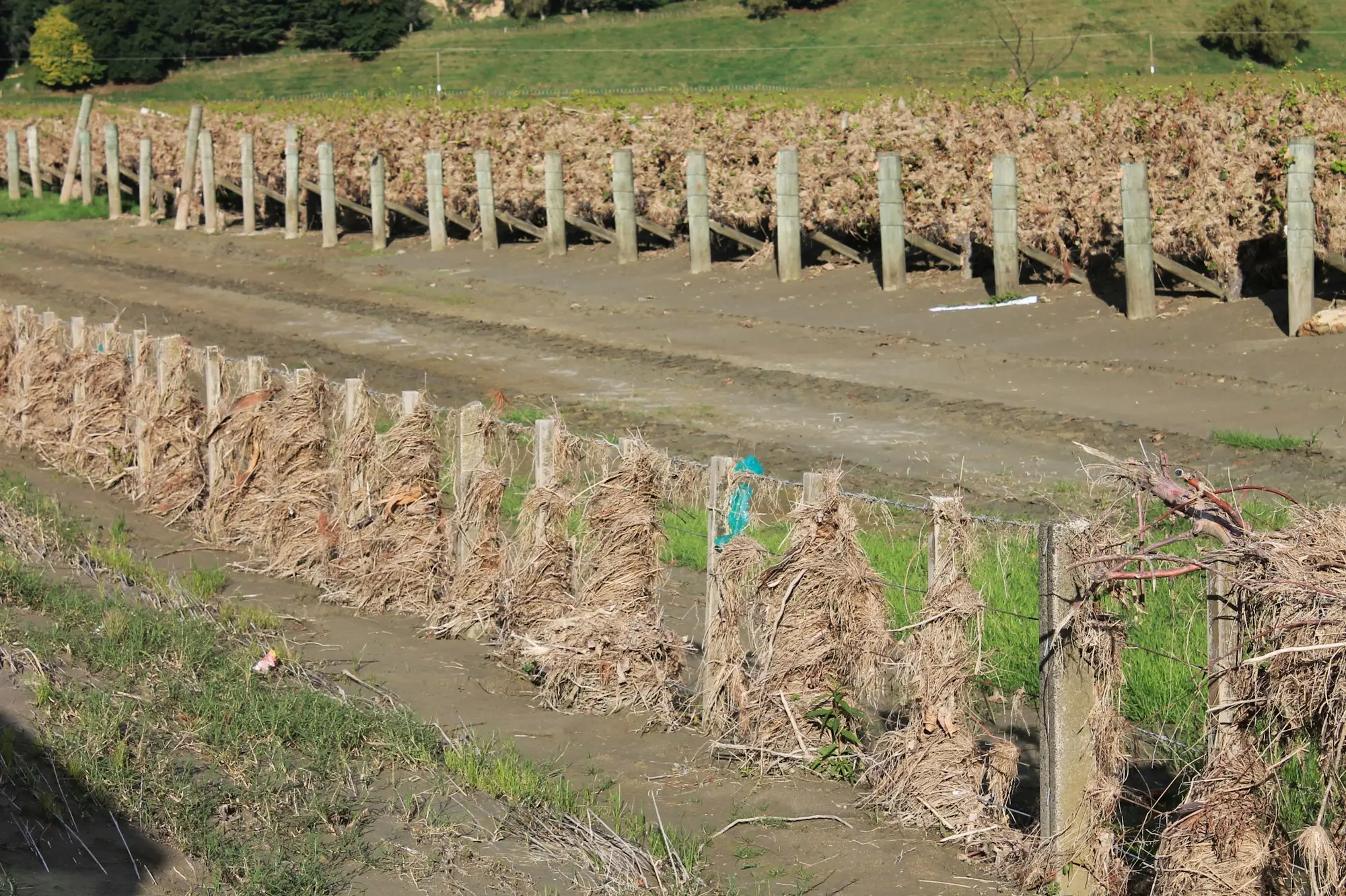
An illustrative Hawke’s Bay viticulture contractor took out three short-term loans over a difficult season, each with daily repayments, and fell behind on GST. Combined repayments were taking a large share of daily deposits. The owners have equity in their family home. A second mortgage pays out all three loans and the GST arrears. Interest is added to the loan for the first six months while the next harvest is completed, and the business then refinances to a bank as trading normalises.
Consolidation versus refinancing
Refinancing usually means replacing one loan with a better one. Consolidation means combining several debts into one. Often the two overlap — for example, refinancing a bank mortgage and consolidating other debts into a larger first mortgage. Alternatively, a second mortgage can consolidate debts while leaving a favourable first mortgage untouched.
After consolidation: staying clear
- Close or reduce paid-out facilities so they aren’t re-drawn.
- Set up a separate tax account to avoid new arrears.
- Use a line of credit carefully for genuine short-term gaps only.
- Track cash weekly with a simple forecast — see our 13-week cash flow forecast guide.
Building a debt map before you consolidate
Before talking to any lender, put every debt on one page. For each, note the lender, the balance, the repayment amount and frequency, the remaining term, whether it’s secured and what it would cost to pay out early. Then add up the total repayments per month. Many owners are surprised at the figure, because daily and weekly debits are easy to underestimate. That total, compared with what a single facility would cost each month, is the clearest way to see whether consolidation helps.
Include Inland Revenue balances, supplier accounts that are overdue and any personal credit cards used for the business. Leaving something off the list only means it reappears later, often at the worst time. A complete map also lets the new lender pay each creditor directly at settlement, which is cleaner and gives you certainty that every debt has actually been cleared.
A quick checklist before you enquire about debt refinance and consolidation
Write down the amount you need and exactly what it will pay for. Note the date the money is needed and the date you expect to repay it, and name where that repayment will come from. Download your last three to six months of business bank statements, check that your GST and PAYE filings are up to date, and have your NZBN and photo ID handy. If you’re offering property, jot down its address, a realistic value and what’s still owing on it. Ten minutes spent on this list before the first call can save days later, because the person helping you can go straight to the options that genuinely fit rather than chasing missing details.
Reset your cash flow
If stacked repayments and arrears are choking a business that should be doing well, consolidation may give it room to breathe. You won’t face a credit check when you first enquire, your details aren’t scattered across lenders, and a real person will help map every debt and the best structure.
Please list your debts accurately on the form — totals, types and any property — so we can match you properly first time. Talk to us about consolidation.
Frequently asked questions
What is business debt consolidation?
It's taking out one new loan to pay off several existing debts, so you have a single facility to manage. The aim is usually lower total repayments, a better structure or less pressure on cash flow.
Does consolidation always save money?
Not always. A longer term can reduce repayments but increase the total cost over time. The benefit comes from a sustainable structure and, often, replacing expensive short-term debt. Compare the total cost in dollars.
Can I consolidate tax debt with other debts?
Yes. Inland Revenue arrears can be included, which can stop penalties and interest building while simplifying repayments.
What if I have several short-term lenders?
Stacked short-term loans with daily repayments are one of the most common reasons to consolidate. A property-secured facility can often replace them with one structure.